
 What is PCOS?
Polycystic Ovary Syndrome (PCOS) is a very common hormonal condition, with estimates suggesting it affects around 10–13% of women. Despite how common it is, many people live with symptoms for years before receiving a diagnosis, often because those symptoms are dismissed or misunderstood.
PCOS is described as a syndrome because it’s diagnosed based on a combination of features, rather than one single test. A diagnosis is made when two out of three of the following are present:
-
Irregular or absent ovulation, often showing up as irregular periods
-
Signs of higher androgen levels, such as acne, unwanted hair growth, or hair thinning
-
Polycystic-appearing ovaries on an ultrasound
Not everyone with PCOS will experience all of these, and symptoms can change over time.
Signs and symptoms
PCOS presents differently for everyone. Some people experience multiple symptoms, while others notice only subtle changes. Such symptoms can include irregular periods, excess hair growth or even hair thinning , and difficulties surrounding weight. Within a GO setting, these symptoms are often overlooked or misunderstood, which can cause a delayed diagnosis and leave people feeling uncertain about what’s going on. Understanding PCOS early is important, as women with the condition tend to have a higher risk of certain metabolic and cardiovascular diseases including diabetes and CVD. Therefore early support can make a meaningful difference.
What causes PCOS?
The exact cause of PCOS is still not fully understood. However more research is suggesting its development is due to a combination of genetic, hormonal, and environmental factors. While the lack of direct cause can feel frustrating, the positive side is that there is a lot that can be done to manage symptoms and support long-term health.
Managing PCOS
There is currently no cure for PCOS, but management can help to relieve symptoms. Presently, clinical guidance recommends lifestyle approaches as first-line support, alongside medication where appropriate.
Within the scope of lifestyle there are several things that can be done:
-
Nutrition
-
Weight management
-
Exercise and physical activity
-
Managing stress and rest
Medication such as hormonal contraception or metformin may be helpful for some people, but lifestyle changes remain a powerful and often underestimated part of PCOS care. Newer medications, including GLP-1 therapies such as semaglutide, are increasingly being explored in relation to PCOS, particularly for metabolic health, although research and guidance in this area are still evolving.
Weight and PCOS
Weight changes can be particularly challenging for people with PCOS due to hormonal and metabolic differences. This is not a reflection of willpower or effort.
For those who are overweight and want to focus on weight management, even a small and gradual reduction (around 5–10% of body weight) has been shown to improve symptoms and reduce associated health risks. That said, weight loss is not appropriate or necessary for everyone. Progress can be slow, and crash dieting is rarely helpful. Sustainable, realistic changes matter far more than perfection.

Nutrition and PCOS
There is no single “PCOS diet,” but nutrition and dietetic bodies such as the British Dietetic Association (BDA) highlight that certain nutrition principles can be helpful in supporting women living with PCOS. These principles are similar to a Mediterranean-style way of eating, which can be a helpful framework to follow.
Eating regularly
Regular meals and snacks help keep blood sugar levels steady, which is especially important for many people with PCOS.
Choosing wholegrains and lower-GI carbohydrates
Lower and moderate GI foods lead to a slower rise in blood sugar and may help improve insulin sensitivity and cycle regularity.
Building balanced meals
Including protein, healthy fats, fibre, and vegetables alongside carbohydrates helps reduce blood sugar spikes, keeps you fuller for longer, and can reduce cravings.
Including omega-3 fats
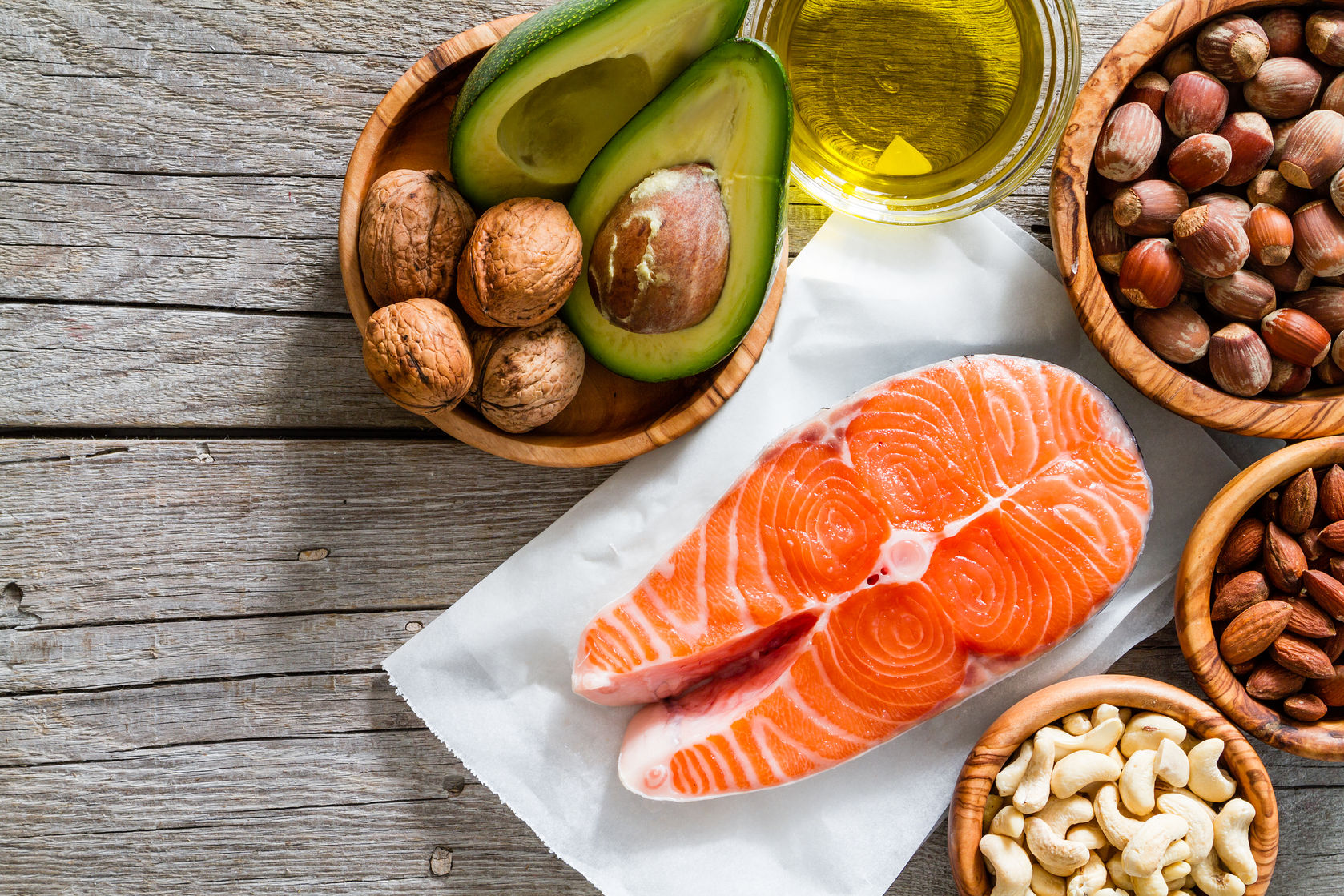
Omega-3 fats may help reduce inflammation, which is often higher in PCOS. Oily fish is a rich source, while plant-based options include chia seeds, flaxseeds, walnuts, and algae-based products.
Exercise and movement
Exercise plays an important role in PCOS management, but it doesn’t need to be extreme. Regular movement supports insulin sensitivity, mood, stress levels, and menstrual regulation.
It’s estimated that around 60-90% of women with PCOS have some degree of insulin resistance. This is one reason why strength training can be particularly helpful. Muscle acts like a sponge for glucose, helping the body clear sugar from the bloodstream more effectively. Building muscle through resistance training can therefore improve how the body handles glucose.
Strength training is also hugely beneficial for women more generally, supporting bone health and muscle mass, which in turn supports long-term metabolic health. A combination of aerobic exercise and strength training is a great place to start, but it’s important to remember that any movement is better than none.

Supplements and PCOS
Supplements are not essential for everyone, but they may play a supportive role for some people as part of a broader PCOS management approach.
-
Vitamin D is commonly low in the UK and plays a role in metabolic and reproductive health. Low levels have been linked with insulin resistance and menstrual irregularities. The NHS recommends a daily supplement of 10 micrograms (400 IU) for everyone during the autumn and winter months.
-
Omega-3 fatty acids support inflammation and cardiovascular health and may be useful if oily fish intake is low.
-
Inositol (particularly myo-inositol) has the strongest evidence in PCOS ( although still limited) and may support ovulation, insulin sensitivity, and menstrual regularity for some women.
-
Magnesium and zinc are essential minerals for general health, and emerging research suggests they may play a supportive role in women’s wellbeing. This includes energy levels, sleep, immune function and menstrual symptoms. While evidence specific to PCOS is still developing, ensuring adequate intake may contribute to overall health as part of a balanced approach.
Supplements are not a replacement for medical care, but when chosen carefully, high-quality, evidence-informed supplements may help support nutritional adequacy and key areas of health. If you’re unsure what’s right for you, speaking with a healthcare professional can help guide informed choices.
PCOS is a long-term condition, but it can be managed. With the right combination of nutrition, movement, and medical support, many people find their symptoms improve and feel more in control of their health.
If there are three things to take away from this article, they would be: move your body regularly in ways you enjoy, try to include Mediterranean-style eating patterns where you can, and understand your cycle and symptoms so you can seek support if needed.
Don't Miss Out!
Sign up now to receive our offers, news and weekly articles right to your inbox!
8 https://www.indi.ie/fact-sheets/fact-sheets-on-women-s-health/542-polycystic-ovarian-syndrome-pcos.html
11 https://www.livestrong.com/article/330646-the-best-vitamin-supplements-for-women-with-pcos/
12 https://pubmed.ncbi.nlm.nih.gov/37589624/
13 https://www.bda.uk.com/resource/polycystic-ovary-syndrome-pcos-diet.html
14 https://pubmed.ncbi.nlm.nih.gov/31101977/
15 https://www.nature.com/articles/s41598-025-92006-8
17 https://www.nhs.uk/conditions/polycystic-ovary-syndrome-pcos/
18 https://pubmed.ncbi.nlm.nih.gov/34099308/
19 https://pmc.ncbi.nlm.nih.gov/articles/PMC10328709/
20 https://pubmed.ncbi.nlm.nih.gov/38163998/
21 https://pubmed.ncbi.nlm.nih.gov/35639552/
22 https://www.sciencedirect.com/science/article/pii/S2161831322003726
23 https://pmc.ncbi.nlm.nih.gov/articles/PMC6836220/